What’s Up in the September 2026 Skies?
Looking for what to see in the September 2026 night sky? This month has a little something for everyone, whether you are stepping outside for a quick look after sunset, using binoculars, or planning an observing session.
The full September episode of the AstroGuy Podcast covers the month in detail, but this article is meant to help you plan: when to go outside, what kind of equipment helps, and which nights are worth circling on the calendar.
You can watch the full episode here: What’s Up in the September 2026 Skies? on YouTube.

September 2026 Night Sky at a Glance
Unfortunately, September does not bring a bright comet or a major meteor shower. That actually makes this a good month to slow down and focus on the planets, the Moon, and a few deep-sky targets that reward careful observing.
Venus is the easy standout in the evening sky. Neptune reaches opposition this month for observers ready to track down a faint, distant world. The Moon offers a great crater trio near First Quarter, and Aquarius gives us a rewarding deep-sky tour with globulars, planetary nebulae, and a good double star.
Best Nights to Observe in September 2026
For deep-sky observing, the best window is centered on New Moon, which falls on September 10. The nights from about September 5 through September 16 are the ones to use for fainter targets, especially if you are observing from suburban skies.
For lunar observing, aim for the First Quarter Moon around September 18. That is when the lunar terminator creates strong shadows and brings surface detail to life.
By Full Moon on September 26, faint deep-sky objects will be harder to see, but the planets and brighter targets are still worth your time.
What to Observe if You Only Have 10 Minutes
Start with Venus.
Venus is low in the western sky after sunset and reaches greatest brightness on September 22. It is bright enough that even people who do not usually pay attention to the sky may notice it.
This is the easiest September target to share with someone else. No telescope, no chart, no setup. Just step outside after sunset and look west.
A few days earlier, on September 14, the Moon and Venus make a nice evening pairing. That is a good night for a quick look and a simple phone photo.
What to Observe if You Have Binoculars
Binoculars are useful this month, especially for the Moon, Jupiter’s general position before sunrise, and the brighter deep-sky areas of Aquarius.
Neptune also reaches opposition this month, but this is where expectations matter. Neptune is not going to look like a dramatic planet in binoculars. It will look like a faint point of light, and you will need a good chart to know which point is Neptune.
That may not sound exciting at first, but there is something satisfying about finding the most distant major planet in the Solar System with your own equipment.
What to Observe with a Telescope
This is where September gets more interesting.
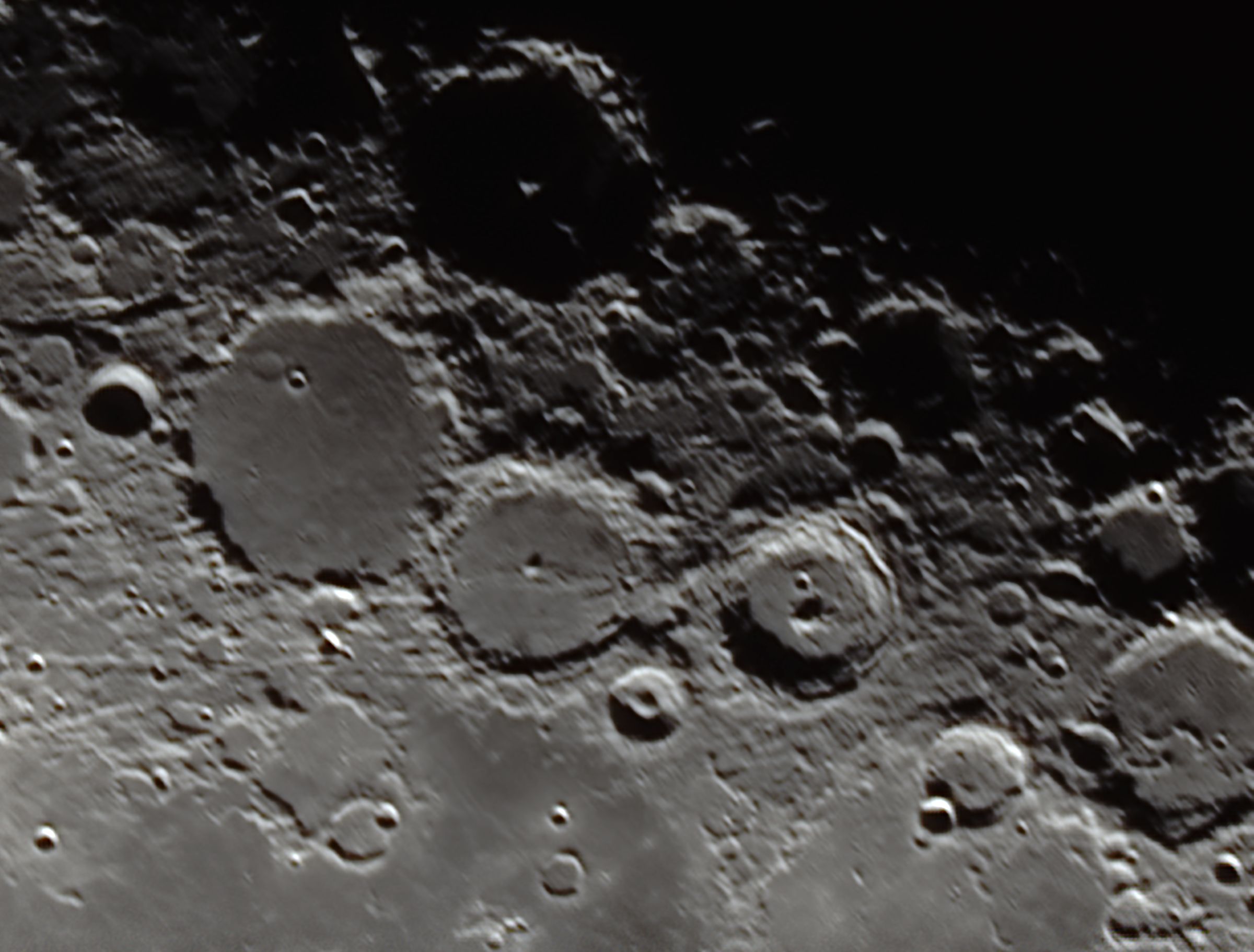
The Moon offers a great crater trio around First Quarter: Ptolemaeus, Alphonsus, and Arzachel. These are large, easy-to-find craters near the center of the Moon’s visible face, and they are close enough together that you can compare them in one observing session.
Saturn is also getting better as the month goes on. Its opposition comes in early October, so September is a good warm-up month. The rings are still narrow, but Saturn is always worth putting in the eyepiece.
For deep-sky observers, Aquarius is the focus of this month’s episode. It is not the easiest constellation from suburban skies, but it has a nice mix of targets, including globular clusters, planetary nebulae, and a double star.
A Simple September Observing Plan
Early September
Use the darker moonless nights for deep-sky observing. This is the best part of the month for the fainter Aquarius targets.
Mid September
Watch Venus after sunset, especially around the Moon pairing on September 14. Then shift toward lunar observing as the Moon grows toward First Quarter.
Around First Quarter
Spend time on the Moon. Look for the crater trio of Ptolemaeus, Alphonsus, and Arzachel, and compare the crater floors, rims, and shadows.
Late September
Use the bright Moon period for planets and double stars. Saturn is improving, Neptune is at opposition, and the Moon passes near Saturn on September 27.
What Not to Expect
September has some great observing, but it is not a month where everything jumps out easily.
Mercury will be difficult in evening twilight. Neptune requires a chart and patience. The Helix Nebula is famous, but it can be tricky visually because its light is spread out over a large area. Some of the Aquarius targets are subtle, especially from suburban skies.
That does not make them bad targets. It just means the right expectations matter.
Sometimes the best observing sessions are about finding something faint, learning the sky a little better, and coming away with a better sense of what your equipment can do.
Aquarius Highlight: The Helix Nebula
One of the better-known Aquarius targets is the Helix Nebula, NGC 7293. It is a famous planetary nebula and a terrific imaging target, but visually it can be surprisingly tricky because it is large and diffuse.
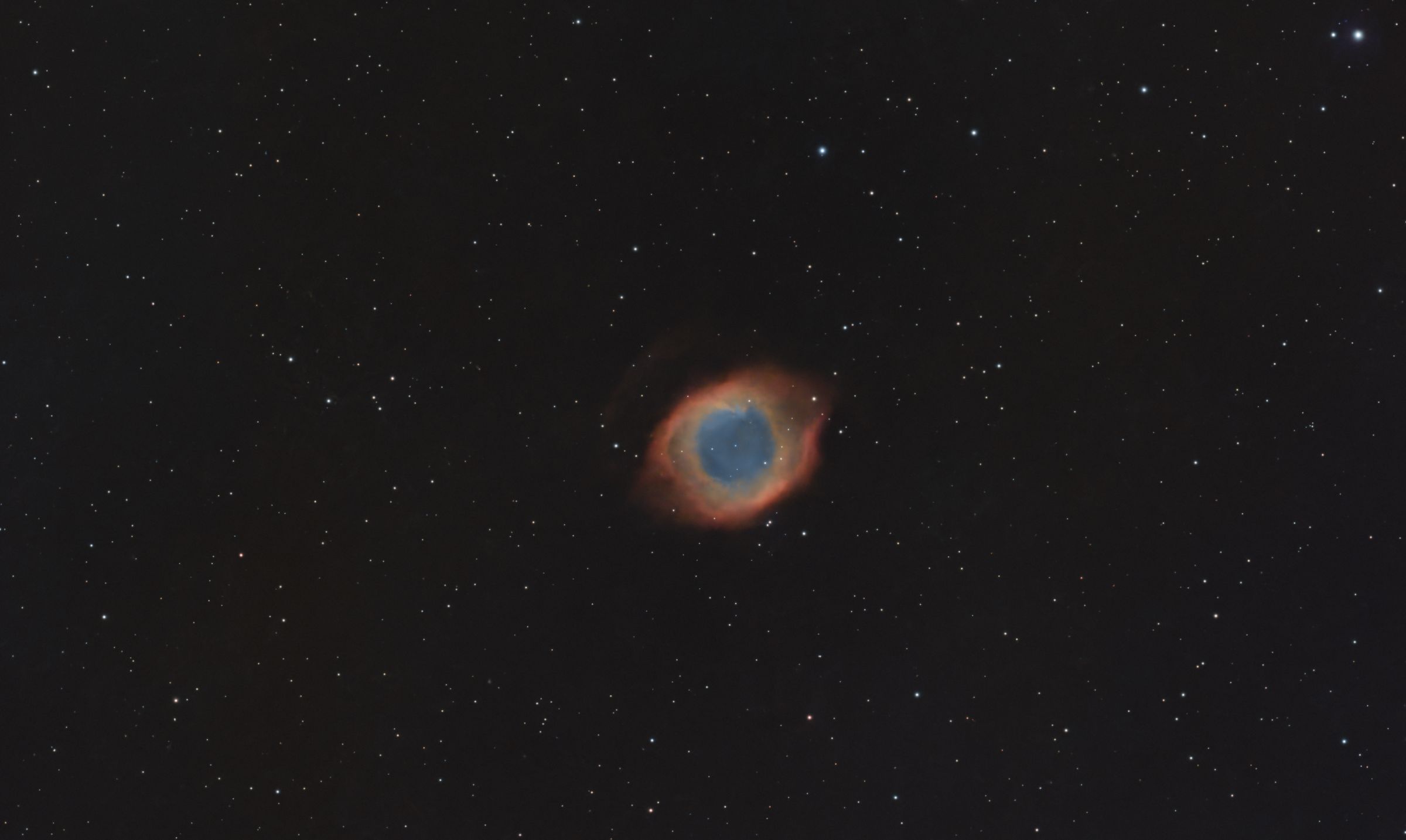
Under darker skies and with the right expectations, though, it is a satisfying object to hunt down. Aquarius may not be the flashiest constellation, but it rewards patience.
Watch the September Episode
The full episode, What’s Up in the September 2026 Skies? Venus, Neptune, Lunar Craters and a Tour of Aquarius, is now on the AstroGuy Podcast YouTube channel.
The full September 2026 AstroGuy Observing Guide is also available. It includes the Moon phase calendar, planetary data, finder notes, lunar feature notes, and deep-sky targets to help you plan your observing for the month.
September is not a fireworks month, but it is a very satisfying one. If you take advantage of the darker nights early in the month, spend some time with Venus, and give Aquarius a fair shot, there is a lot to enjoy.
Until next time, may your skies be clear, and as always, Carpe Noctem, Seize the Night!