What’s Up in the November 2026 Skies?
There’s a useful way to plan November: save the darkest evenings for galaxies, and leave some time before sunrise for planets. This month gives us a good reason to do both.
Episode 124 of the AstroGuy Podcast, What’s Up in the November 2026 Skies?, publishes October 29. The free November Observing Guide is your companion for the month, with a daily Moon calendar, planetary notes, our lunar feature and six galaxy stops.
When are November’s best nights for observing galaxies?
New Moon falls on November 9. For evening galaxy observing, I’d put the first part of the month at the top of the list, especially clear nights around November 2–14. As the Moon waxes toward first quarter on November 17, its light begins to compete with faint detail.
Darkness is only part of the story. Transparency matters too. A clear-looking sky with haze can hide a galaxy’s outer disk, and a target’s total magnitude doesn’t tell you how easy it will be to see. Spread that light across a large area and the galaxy can become surprisingly difficult.
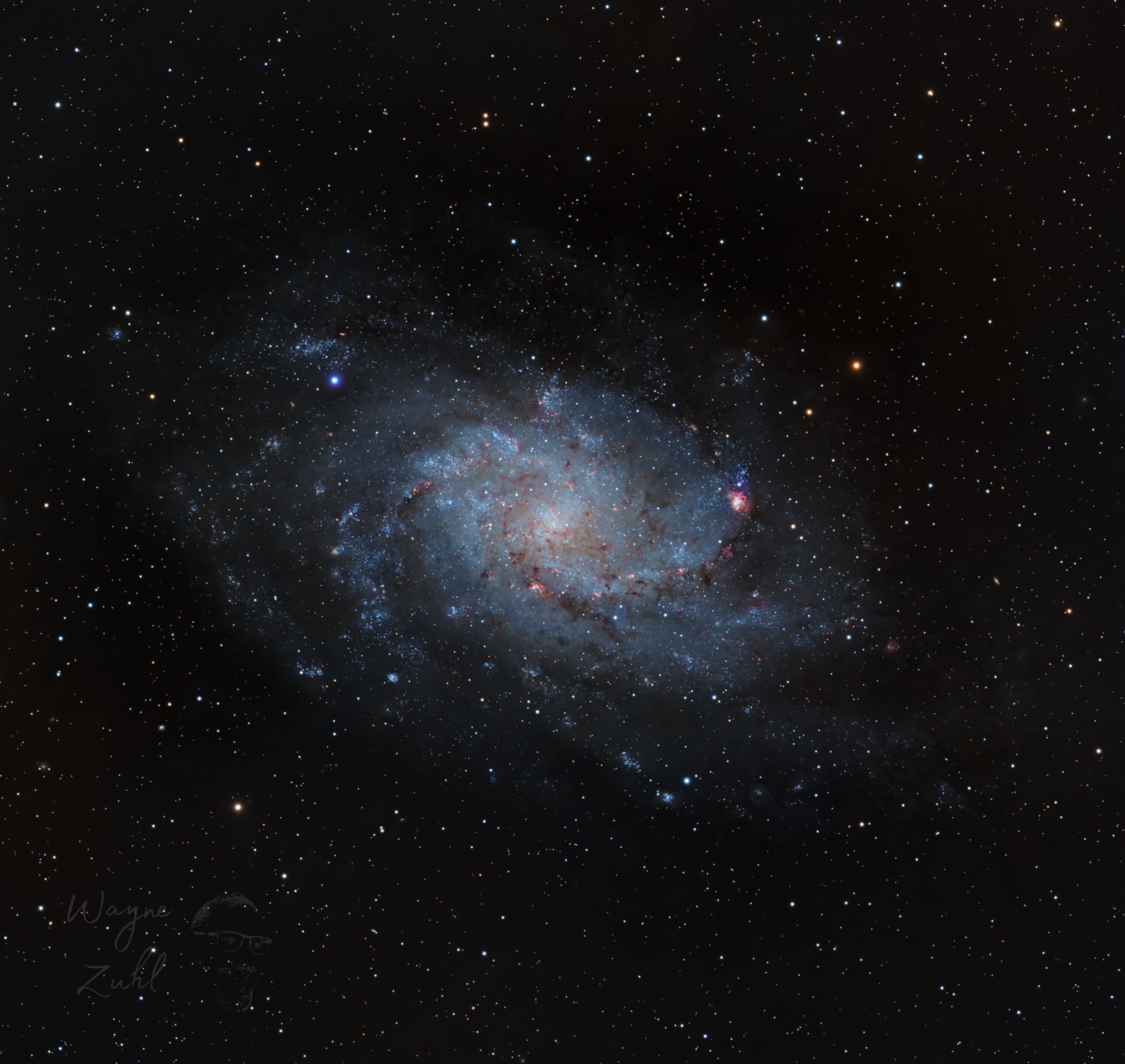
That’s why M33 is such a useful example. Under dark skies it’s a binocular target, but from a bright suburban location its broad, low-contrast glow can be frustrating. Increasing magnification isn’t always the answer. Start low, keep the field wide and give your eyes time.
Which planets can you see in November 2026?
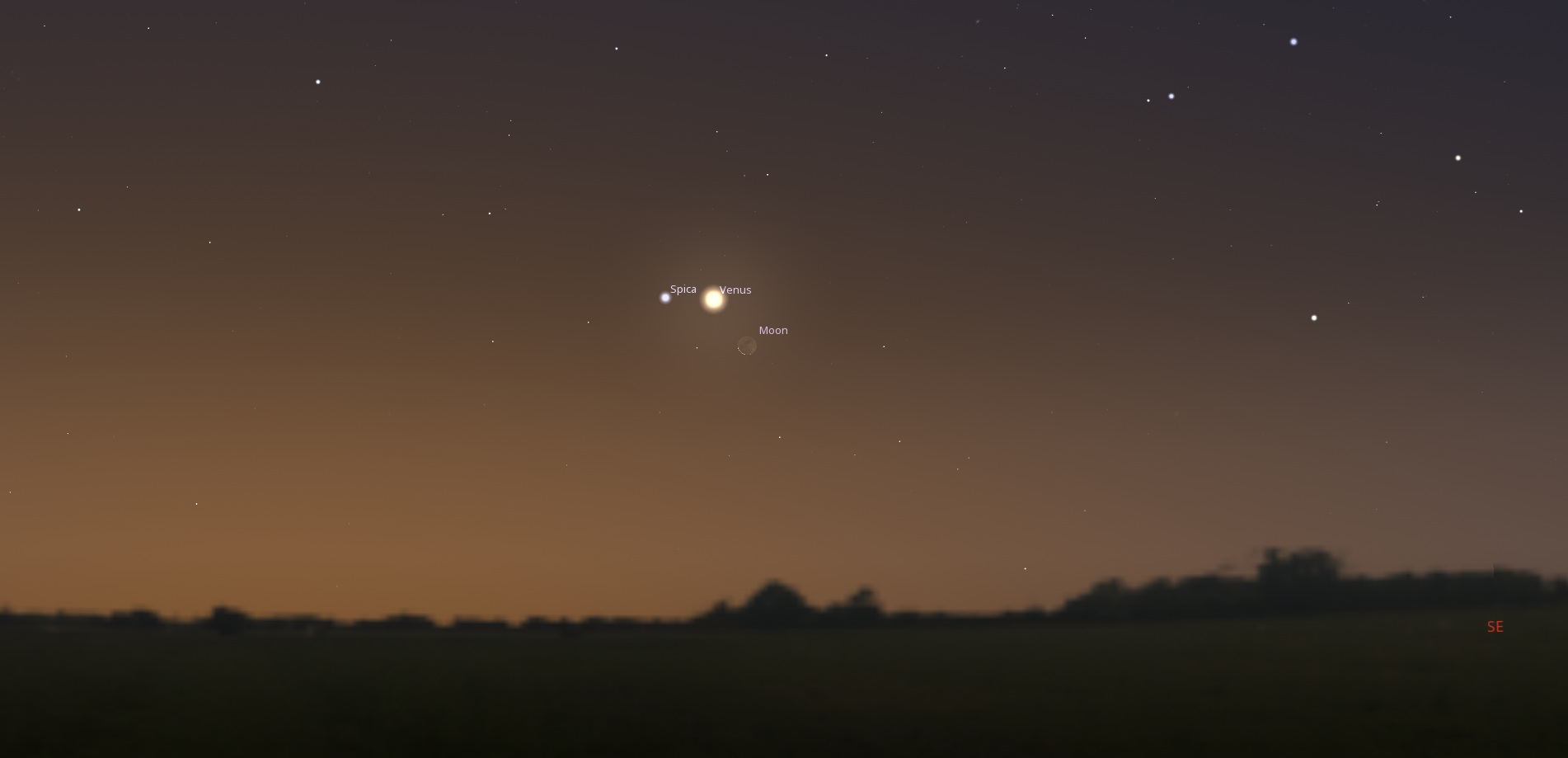
Saturn gives us an evening telescope target, while Jupiter and Mars are better placed later at night and toward dawn. Venus is back in the morning sky and becomes easier to find as the month progresses. Before sunrise on November 7, look for the thin crescent Moon near Venus.
Mercury reaches greatest western elongation on November 20, about 20 degrees from the Sun. The second half of November offers a worthwhile morning opportunity for northern observers with a clear east-southeast horizon.
Uranus reaches opposition on November 25 in Taurus. At about magnitude 5.6 it’s within binocular reach, but the challenge is identifying the right point of light. Use a chart set for the date. Opposition also falls close to Full Moon, so don’t restrict your search to that one night: earlier, darker evenings can be more useful.
When should you watch the Taurids and Leonids?
The Taurids reward patience. Their activity stretches across many nights, with nominal November maxima around the 5th for the Southern Taurids and the 12th for the Northern Taurids. They’re usually sparse, slow meteors, with the possibility of an occasional bright fireball. The Moon is favorable around those dates.
The Leonids offer faster meteors later in the month. This is expected to be a normal year for the shower. Try the predawn hours of November 17 and 18, once the Moon is out of the way and Leo has climbed higher. A comfortable chair, warm clothes and a wide view are more useful than a telescope.
What can you explore on the Moon this month?
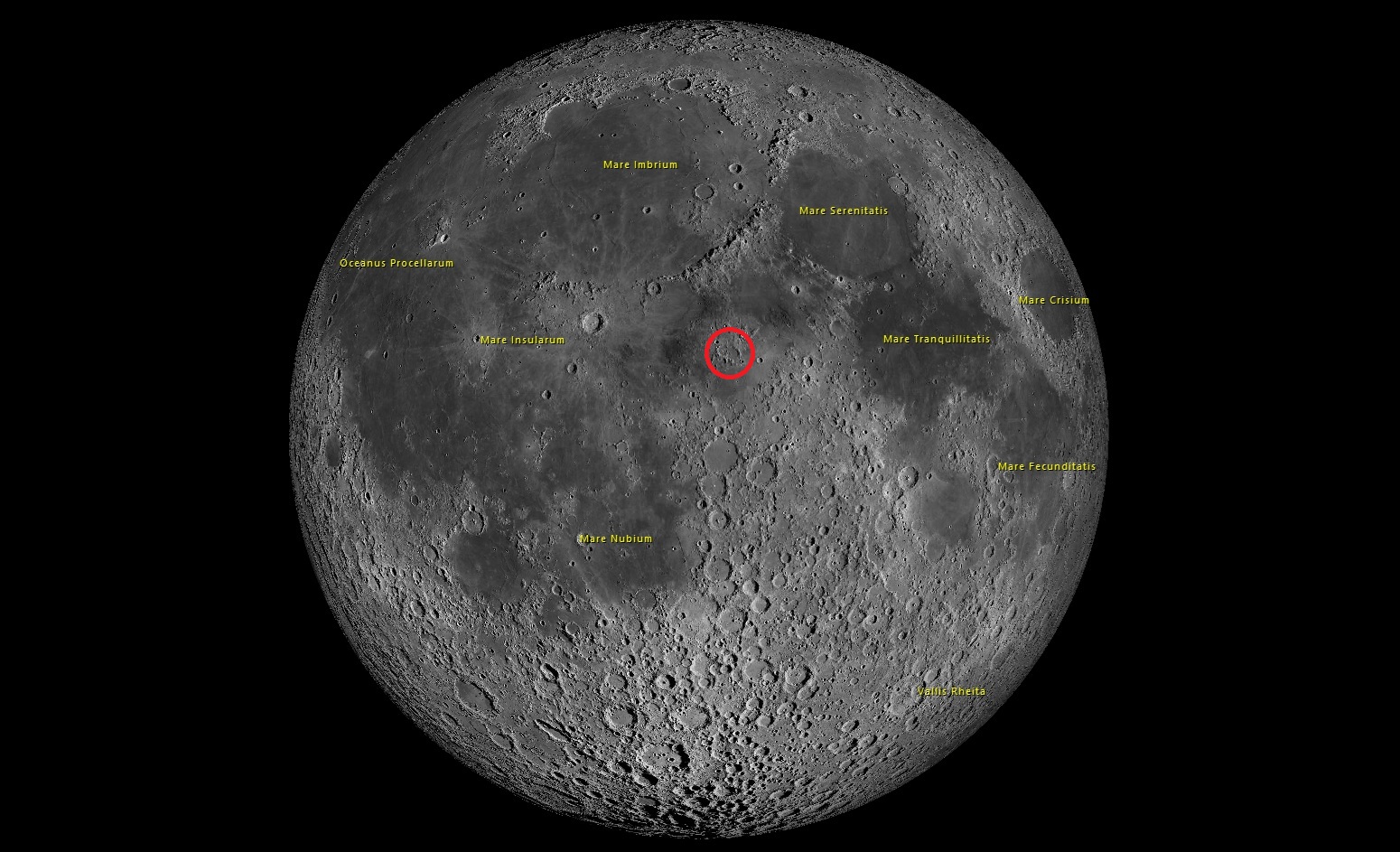
Our Lunar Feature of the Month is the neighboring crater pair Pallas and Murchison, near the center of the lunar disk. They’re worn structures, and low sunlight brings out details that become less obvious under the flatter lighting near Full Moon.
Try the predawn Moon on November 1, then return to the evening Moon around November 17–19. The guide includes a locator diagram and observing notes. In the episode we’ll take a closer look at what makes this pair interesting.
Where does this month’s galaxy tour take us?
We begin with NGC 6946, the Fireworks Galaxy, then move to NGC 7331 and the Andromeda Galaxy with its companions M32 and M110. From there we visit M33, the edge-on spiral NGC 891 and the active galaxy M77.
These galaxies look different because of their orientation, structure and how their light is distributed. The episode connects those differences to what you can realistically expect through binoculars, a telescope or a camera.
Plan a night outside with AstroGuy
Download the free November 2026 Observing Guide, and watch Episode 124: What’s Up in the November 2026 Skies?. Start with a target suited to your sky, then try something more challenging if conditions allow.
If the show and guides help you get more out of the night sky, you can buy me a cup of coffee to help keep AstroGuy going. The episode and guide remain free.
I’d love to hear what you find. Share an observing report, sketch or image with the AstroGuy community, or contact me through the website.
Until next time, may your skies be clear, and as always, Carpe Noctem, Seize the Night!
Calendar references: AstroPixels Moon phases; NAOJ planetary phenomena (Japan Standard Time in the source); IMO 2026 Meteor Shower Calendar. Dates and observing advice above use Eastern Time and a mid-northern observing baseline.